
Errors Found on 2023 Bessie Coleman Quarters
The United States Mint released a special coin in 2023 honoring Bessie Coleman as the first African American woman holding a pilot license.
Showing Coleman preparing for her flight, the reverse design includes the date 6.15.1921 marking her great achievement.
Working at high speeds, the machines at Philadelphia and Denver created many 2023 Bessie Coleman quarter coins having small technical mistakes highly valued by collectors today.
Machine Problems During the Minting Process
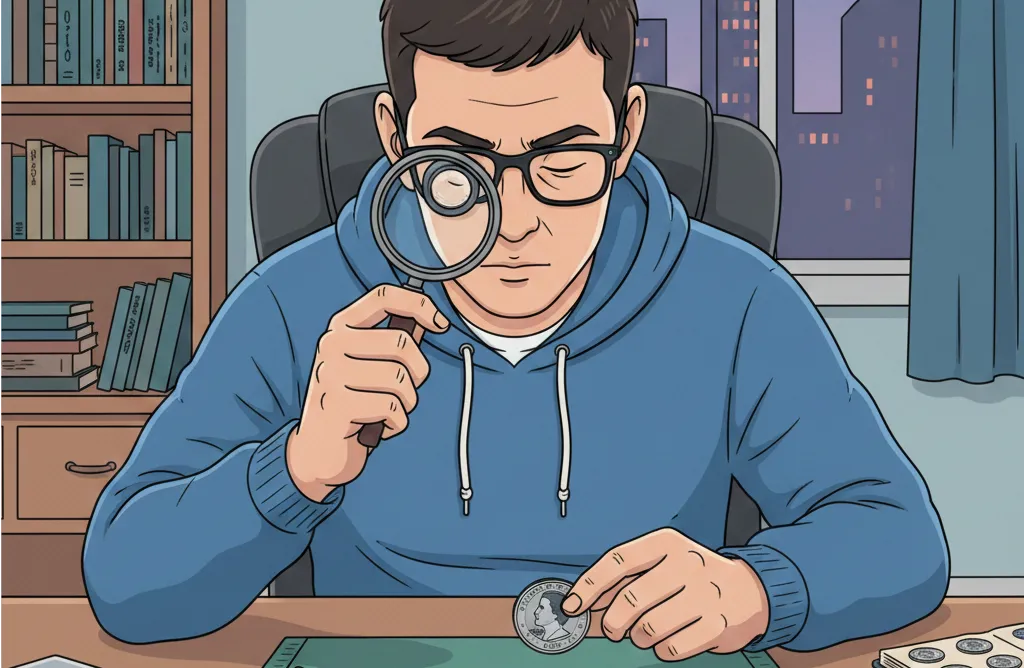
Modern metal presses hitting up to 750 coins every minute often face mechanical trouble causing strange marks. Moving metal or dirt entering the machine creates defects appearing on the finished money. Finding errors caused by bad feeding or old tools, collectors spend much time looking at these quarters.
Main Types of Errors Seen by Collectors
Off-center strike Happening when a metal disk enters the machine incorrectly, this mistake leaves part of the design missing. Showing a large blank area, such coins become rare when the shift moves more than ten percent. People buying these pieces look at the date remaining visible on the surface.
Double strike Occurring when a finished coin stays inside the press for another hit, this error creates two images on top of each other. Showing the second design moved away from the center, these quarters represent a high price. Noticing double lines on the letters helps finding these rare items easily.
Die cracks Using hard steel tools for a long time causes small breaks appearing on the metal surface. Flowing into these breaks during the strike, hot metal creates raised lines looking like thin wires. Collectors finding large metal blobs near the rim call these "Cud" errors.
Rare Variations and Specific Mistakes
Planchet Defects Often Called Penny Clips
Talking about strange coins often leads to people mentioning "penny clips" as a popular topic. Describing a quarter struck on a disk meant for another coin, this name refers to metal pieces having wrong shapes.
Straight Clip: A flat edge appearing because of the metal sheet end entering the cutting machine.
Curved Clip: A moon-shaped hole showing when the cutting tool hits a spot already used before.
Penny Stock: A quarter struck on a thin metal sheet meant for a small cent having lower weight.
Rotated Alignment Issues
Standard rules require the front and back of the coin staying exactly opposite to each other. A tool turning inside the machine creates an angle shift making the design look crooked. Rotations staying small happen often, but finding coins turned 90 or 180 degrees brings much excitement to the hobby.
Broadstruck Quarters
The metal ring failing to hold the coin causes the silver-colored disk to spread out wide during the strike. Pieces being thinner than normal quarters have a larger diameter and no lines on the edge. Examining these items allows seeing the copper inside the metal layers without using special tools.
Error Type | Visual Look on the Coleman Coin | Estimated Rarity | Market Price Effect |
Die Chip | Small metal drops sitting on the helmet | High | Low |
Off-center 20%+ | Shifted picture showing blank metal | Low | High |
Double Die | Doubled letters in the word LIBERTY | Medium | Moderate |
Shattered Die | Many random lines covering the face | Very Low | High |
Blank Disk | Smooth metal circle weighing 5.67g | Medium | Moderate |
Details on Metal Cutting Mistakes
The work preparing metal circles happens long before the actual machine strike. A metal sheet moving with jumps leads the cutting tool to make incomplete disks. Coins from 2023 showing Coleman include "bonded planchets" happening when two thin sheets enter the press at the same time. Creating a lamination problem, this mistake causes parts of the coin to peel away showing the orange core.
Coins Struck on Wrong Metal
Reaching the highest level of rarity, this mistake happens when a nickel or cent circle enters the quarter bucket. The resulting money has the wrong color and size failing to match the official standards. Cases involving the Coleman series stay extremely rare, needing special papers from grading companies to prove the coin is real.
Tool Condition and Ghost Images
The side showing Bessie Coleman contains many small details like the jacket texture and clouds. Tools getting old produce a "ghost" look making the edges of the design look blurry.
Grease Strike: Machine oil filling the small holes in the tool prevents the letters from forming. Looking at the coin, a person sees missing numbers especially affecting the year 2023.
Die Clash: Happening when the machine hits without a metal circle inside, the tools hit each other directly. Transferring parts of the design from one side to the other, this creates a unique look. Looking behind the pilot's head, a collector sees the face of Washington appearing through the clouds.
Guide for Finding Valuable Coins
Searching for expensive coins, even with a coin identifier, requires looking at these specific spots:
Area near the helmet: Small metal bumps appear here most of the time.
Letters in United States: Checking for double lines helps finding a Doubled Die.
Outer edges: Looking for flat spots reveals problems with the metal cutting.
Weight: A normal quarter weighing exactly 5.67 grams, using a small scale helps finding thin coins.
Lighting and Tools for Better Vision
Using a strong lamp from the side helps seeing raised lines and small metal drops. A magnifying glass having at least 10x power or any free coin scanner shows details invisible to the eye alone. Moving the coin under the light reveals shadows showing the depth of the error.
Surface Check for Artificial Marks
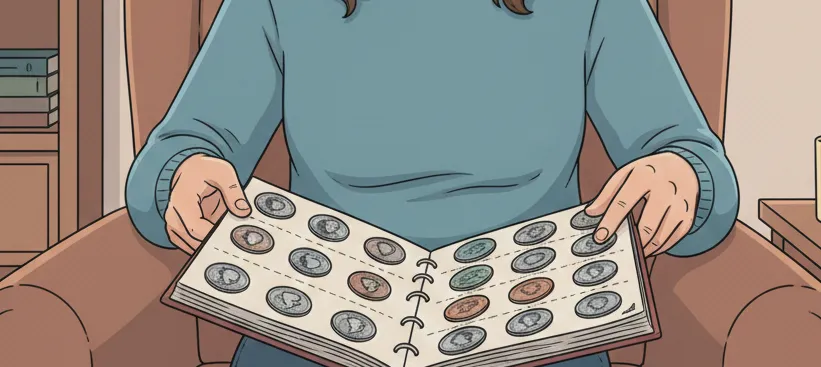
Finding scratches or chemical marks created by people trying to fake an error requires careful study. Real mint errors having smooth edges and natural metal flow stand out from fake ones. Checking the copper core visible on the edge helps knowing if the metal was cut by a machine.
Comparing with Normal Examples
Keeping a standard 2023 quarter next to a suspected error makes finding differences much faster. Noticing a missing cloud or a thicker letter happens easily when having a perfect coin for comparison. Taking notes about the differences found on the helmet or wings helps building a list of common errors.